
From the Beginning to Today
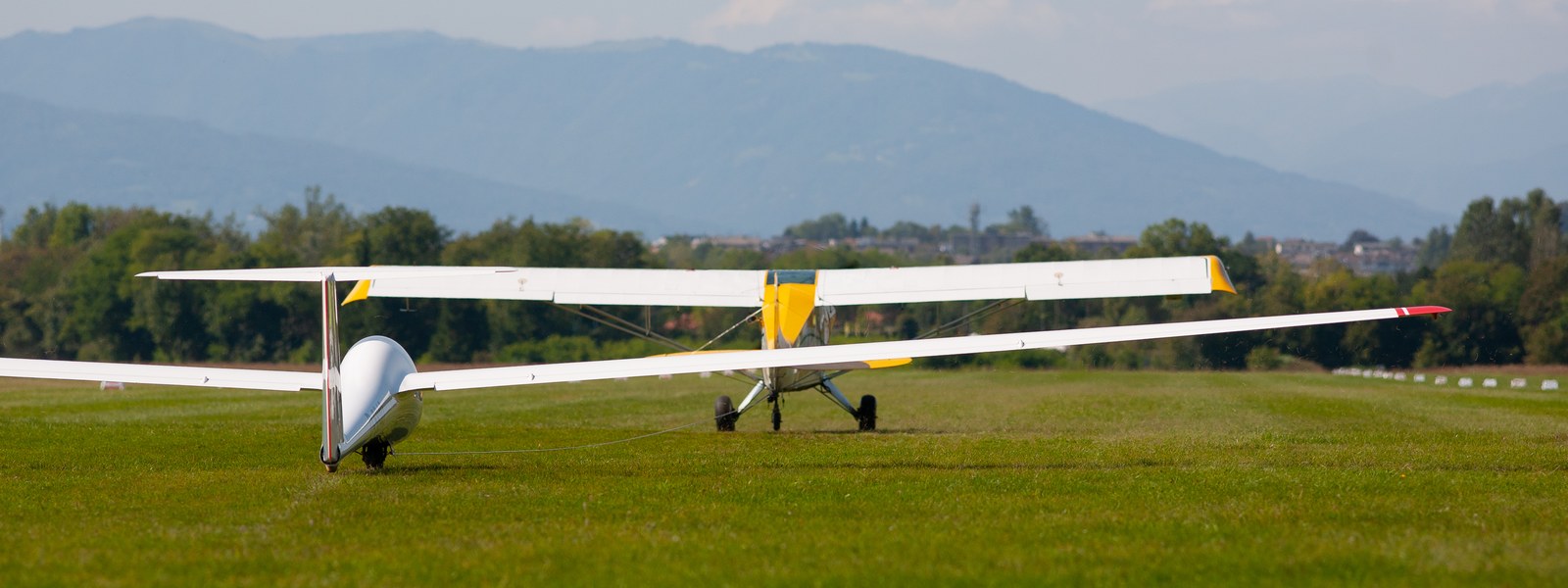
Aero Club Belluno was founded on 29 January 1949, but flying at the airfield goes back much further: Aldo Tait had already started a gliding school there in the 1930s. Named after Arturo Dell'Oro, awarded the Gold Medal for Military Valour, the club is today one of the few in Italy where powered flying, gliding, microlight flying and parachuting all live under the same roof, each with its own school.
The Board
Luca Murer
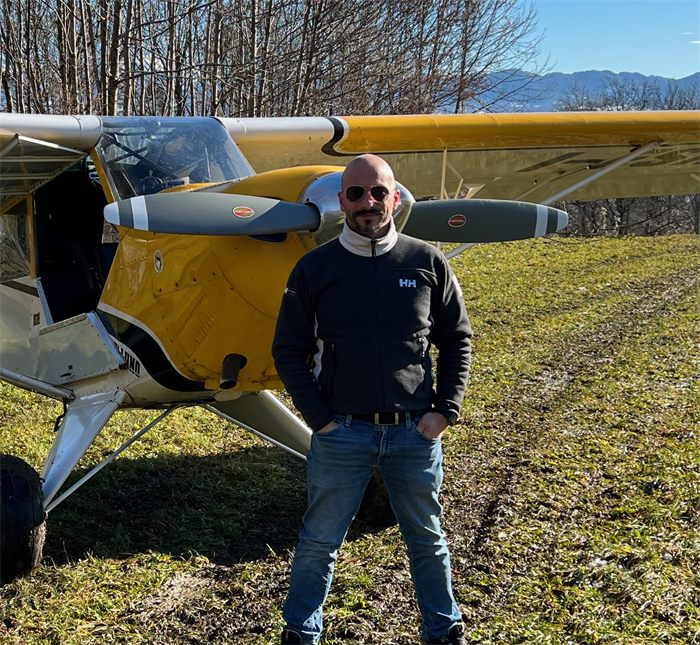
PresidentA general aviation pilot, he later took up gliding to refine his flying skills and found a second great passion instead. He is a glider tow pilot, a mountain pilot qualified for sloping airstrips and a CRI flight instructor.
His passion for flying, lived through different disciplines, drives his commitment to promoting the Aero Club and an aviation culture based on safety, continuous training and shared experience, with the aim of bringing more and more people to flying in all its forms.

Paolo Ordigoni
Vice President and Board memberBorn in 1959, self-employed professional, glider pilot since 2018. He looks after the club's accounts and its office work. He was one of the club's auditors from March 2021 to March 2025, and has been Vice President since March 2025.
Santo Bonfanti
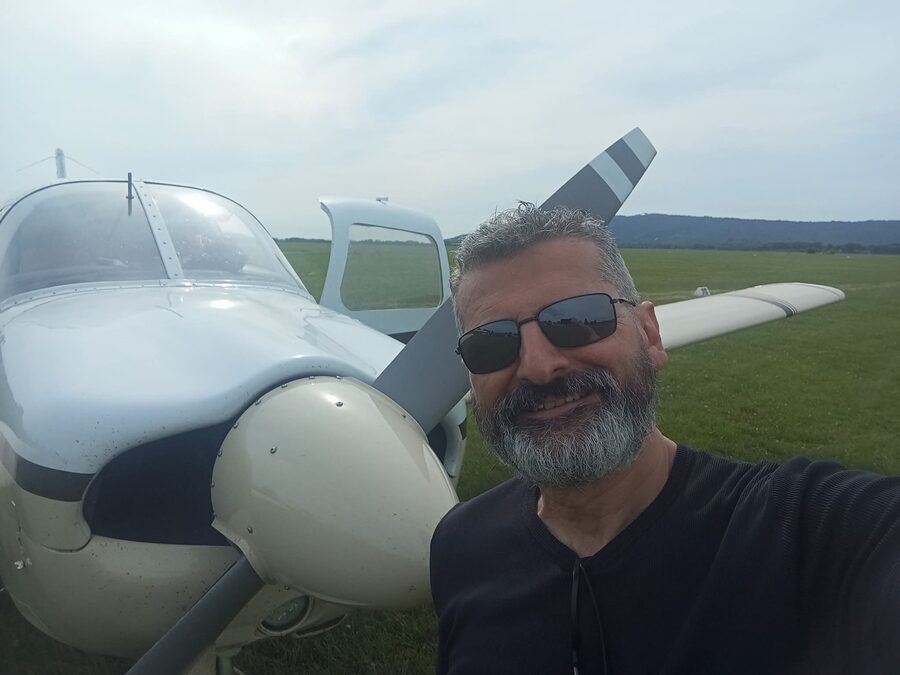
Board memberBorn in 1969, on the Board since 2024, private pilot. He works in aviation as an AFIS officer at the Army Aviation airfield of Casarsa della Delizia. He is a qualified weather observer and briefer and has completed Crew and Team Resource Management flight safety courses; at his unit's Aircrew Training Centre he teaches meteorology, aviation regulations and air traffic.
Noemi D'Incà
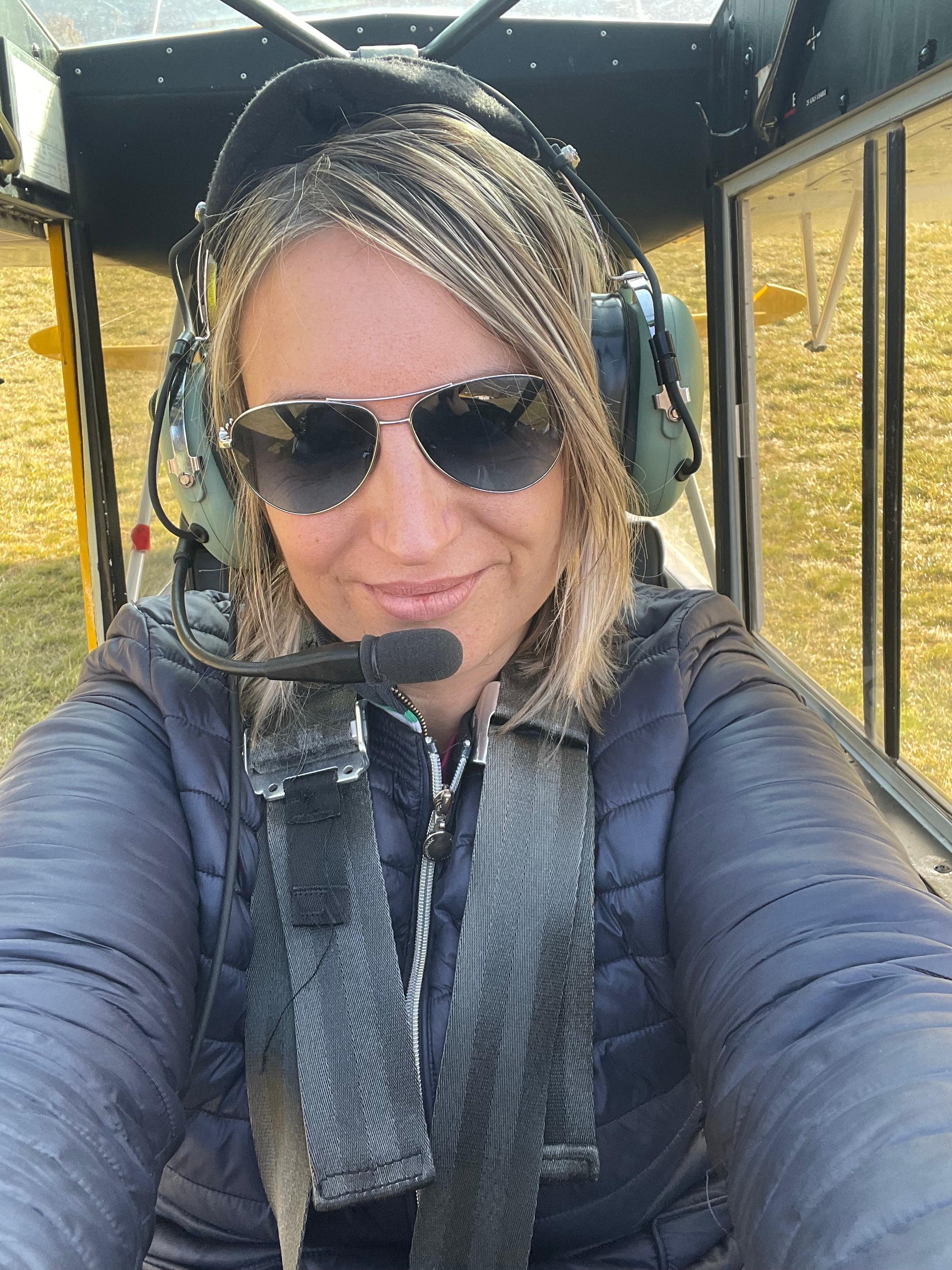
Board memberBorn in 1986, PPL in 2009: aeroplane and microlight pilot, tug pilot, and from this year part of the fire crew as well. On the Board since 2013, she looks after the duty rosters for the operations technicians and the tug pilots, all the flight school bookings, and the club's contact with its members.
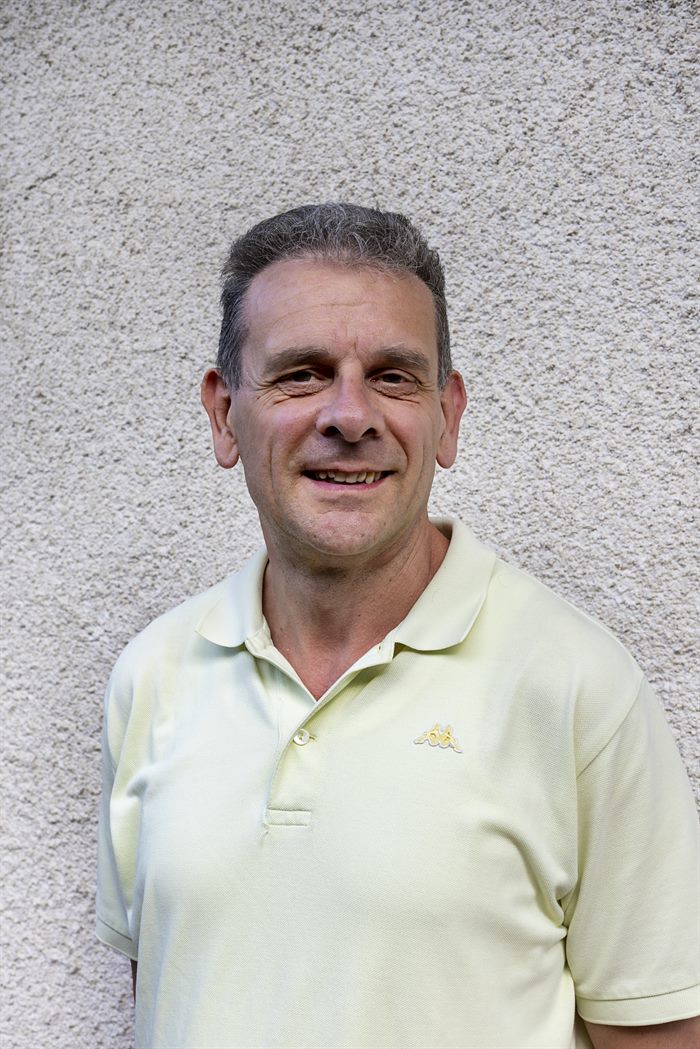
Umberto Casal
Board memberBorn in 1962 and a member since 1984, he is a PPL and ultralight (VDS) pilot, qualified for glider towing and parachute dropping, and served on the fire-fighting team for almost thirty years. Over the years he has been auditor and board member of the club for several terms. He helps maintain the airfield facilities and runs the separate waste collection. He checks that members fill in the aircraft technical logs (QTB) correctly and handles the relations between the club, the CAMO and the aircraft maintenance workshop.
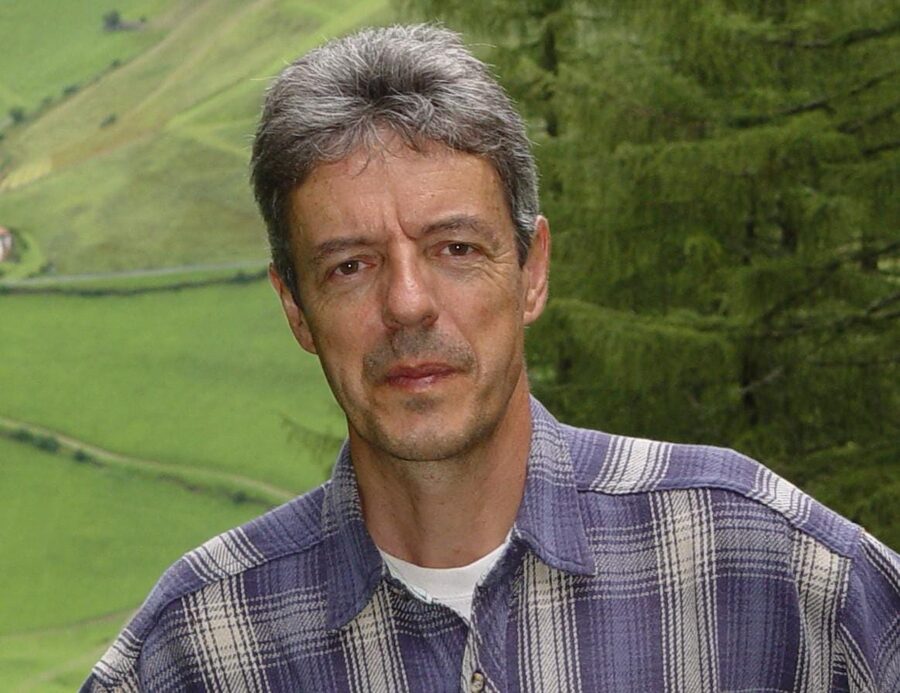
Guido Rossato
Board memberHang glider pilot from 1985 to 2001 (F.I.V.L. licence no. 4059) and glider pilot since 2005. At the club he works alongside the gliding representative — from the airfield's CCTV installation to shipping — looks after the grounds, mentors first-level gliding students and helps run the Open Days.
Specialty representatives
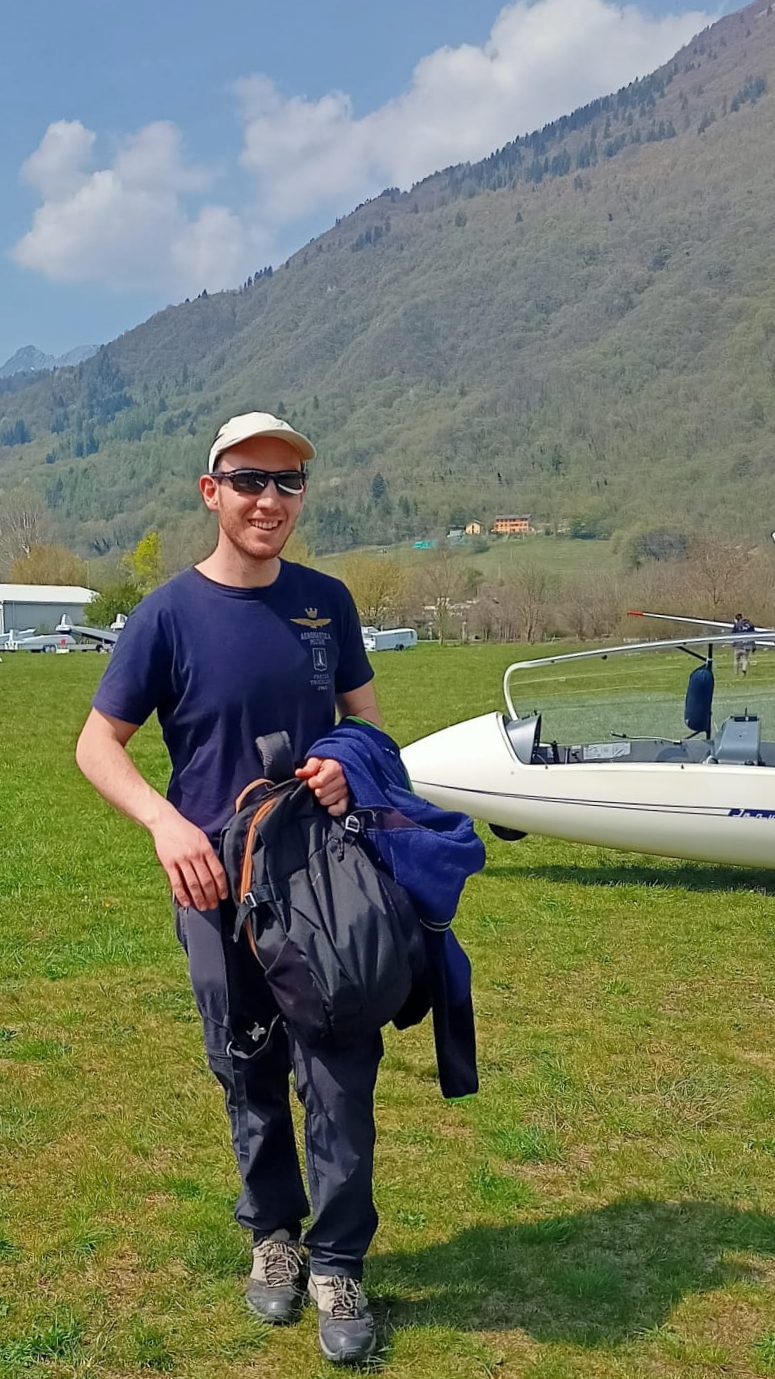
Andrea Paganin
Gliding specialty representativeGlider pilot licence in 2016, he has always flown in the North-East, setting off from Belluno along the beautiful Dolomite and foothill routes. Since 2023 he has flown national and international contests, representing Italy at the Junior World Gliding Championships in Poland in 2024 and at the Junior Europeans in Slovakia in 2025. At the club he helps keep the fleet serviceable and supports the gliding group's activities.
The Board of Auditors
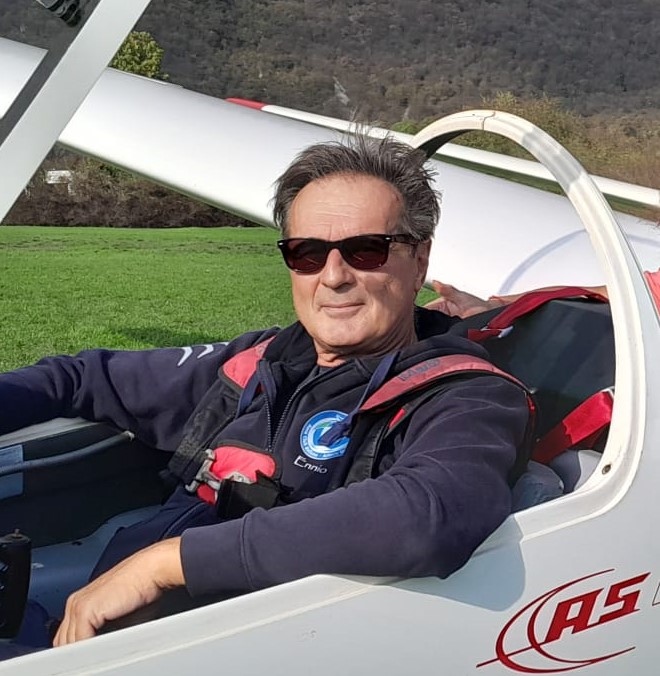
Ennio Sandri
AuditorGlider pilot. He works with the gliding representative on maintenance and mentoring, serves as an auditor and is the Aero Club’s safety manager.
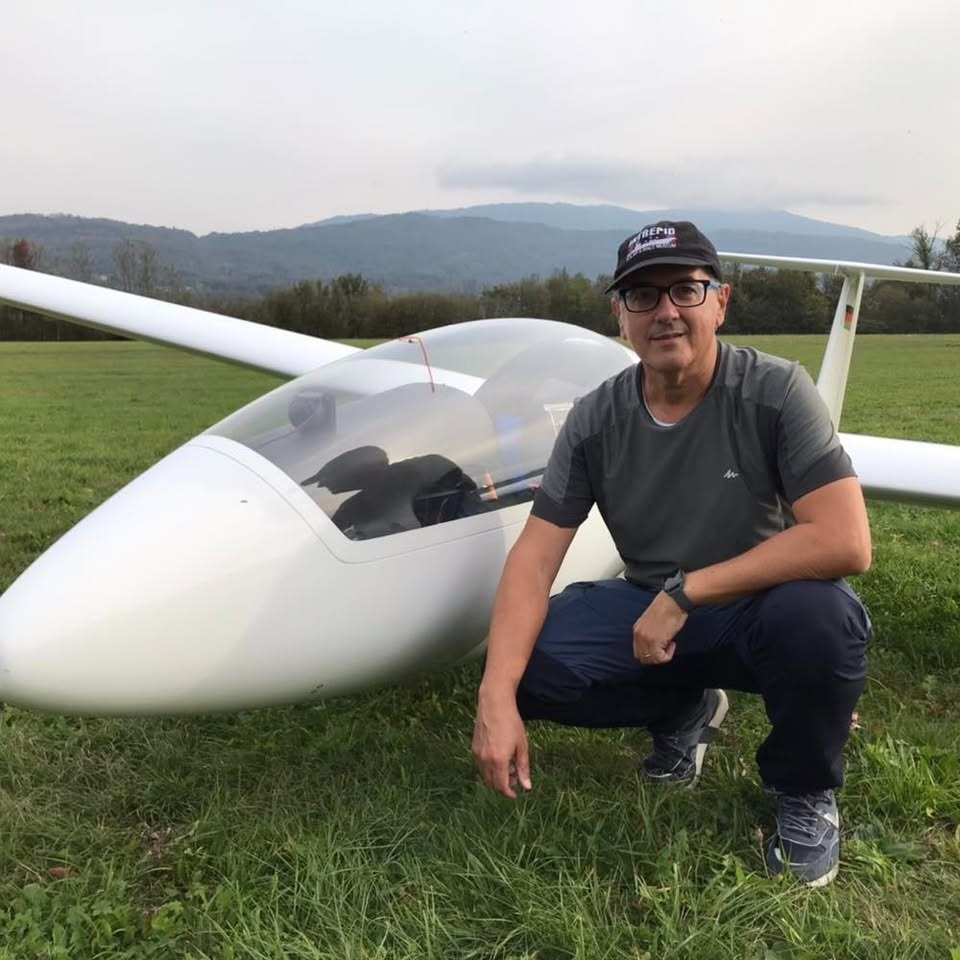
Stefano Gianni
AuditorA member since 2018, when he took the “Aironi 2018” gliding course. A glider pilot ever since, with around 400 flying hours. TMG rating in January 2025 and advanced VDS certificate in February 2026.
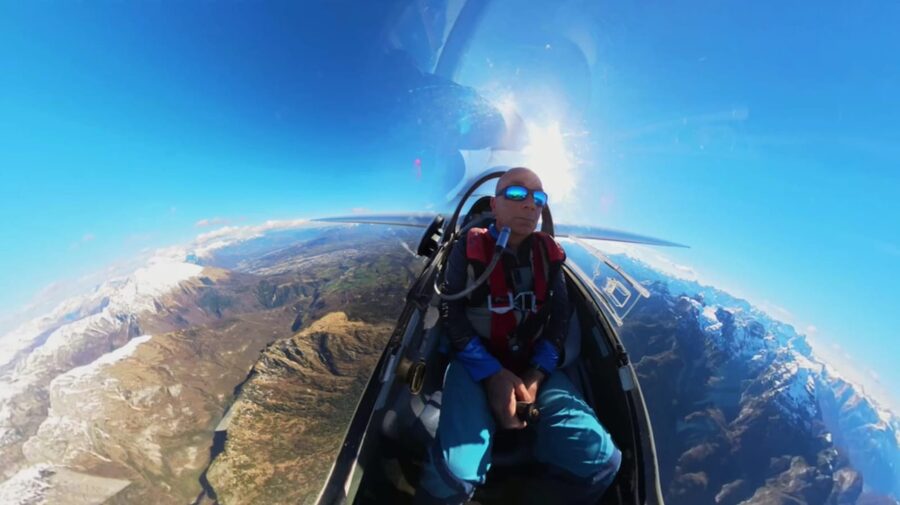
Giorgio Fagherazzi
AuditorGlider pilot, licensed since 2024. He runs the club's social media, helps look after the institutional website and works as an auditor.
More than a century of history
Belluno aerodrome: memory, passion and future
The history of Belluno aerodrome goes back to 1916, in the middle of the First World War, when it was created out of the strategic need to defend the area from enemy air raids.
Thanks to its privileged position at the foot of the Dolomites and its role in reconnaissance along the mountain front, the airfield soon became significant in Italian military aviation. Known at the time as the San Pietro in Campo airfield, after the nearby village a few metres from today’s aerodrome grounds, it hosted the 2nd Section of the 83rd Squadron and took part in air operations along the Dolomite front.
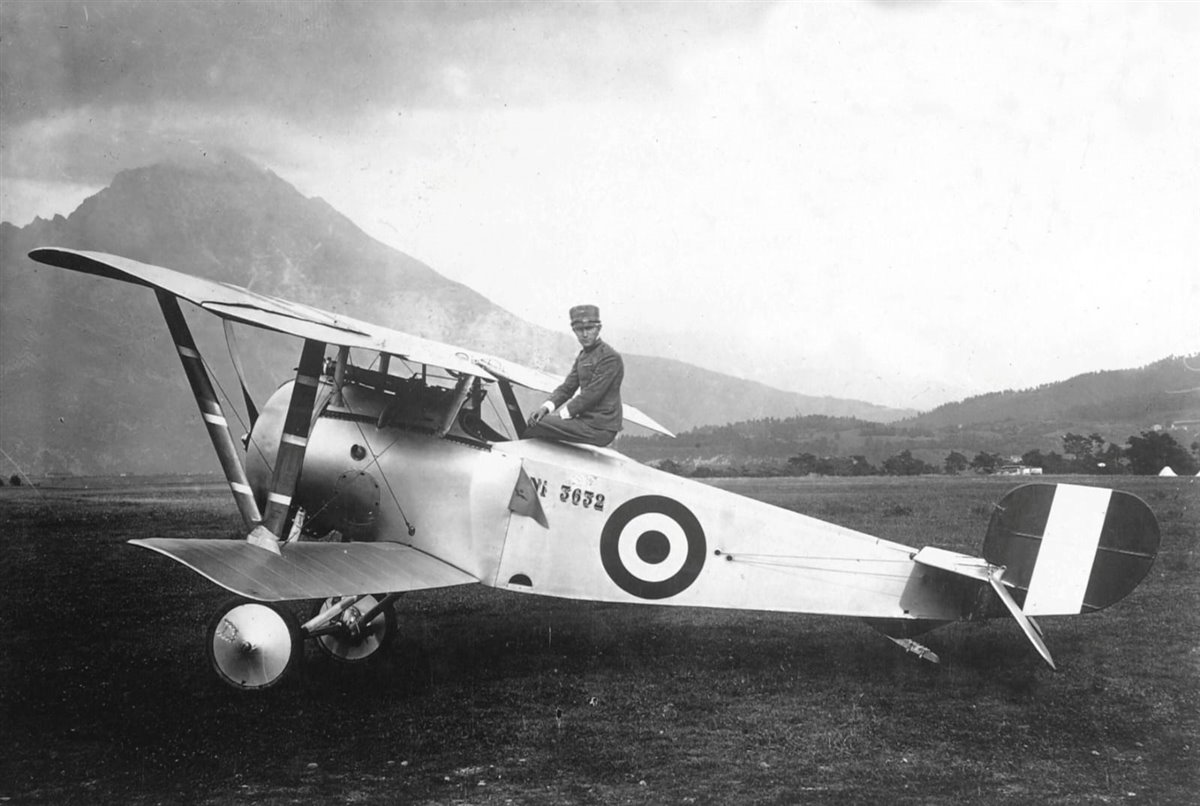
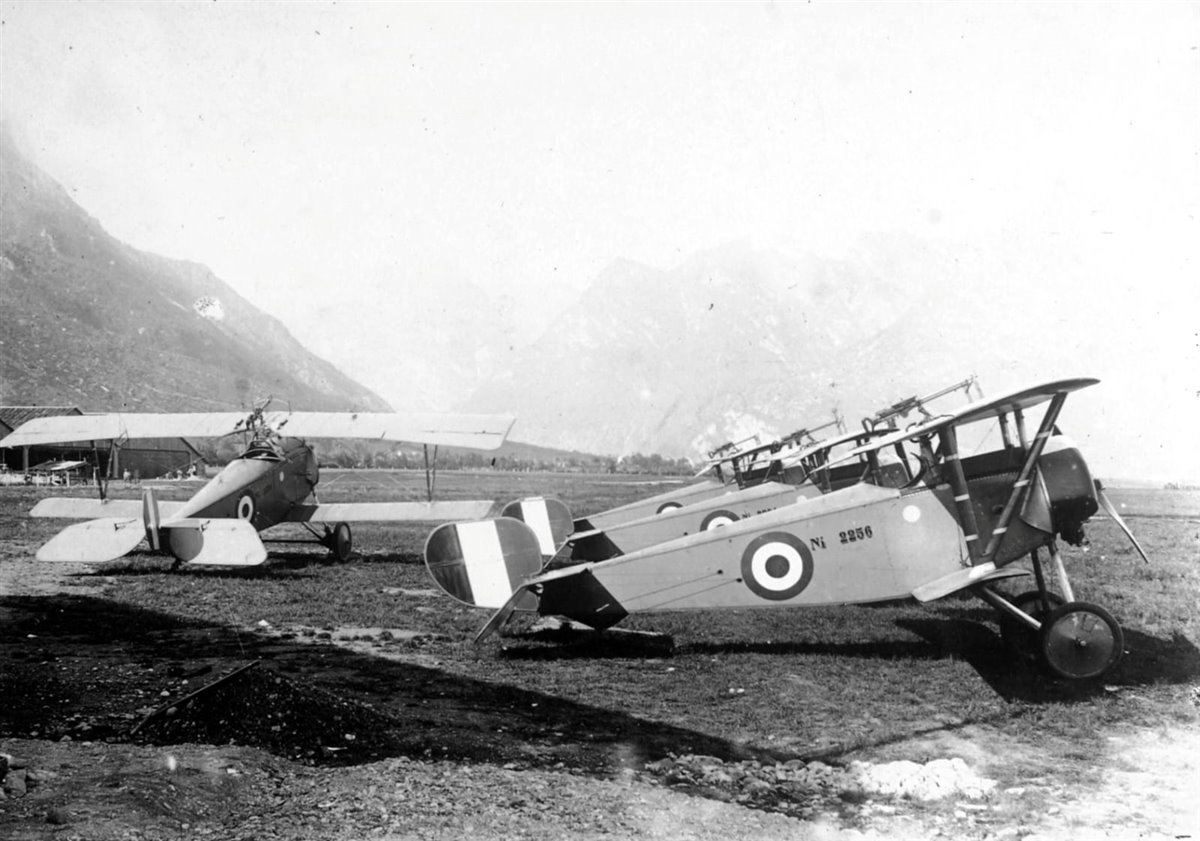
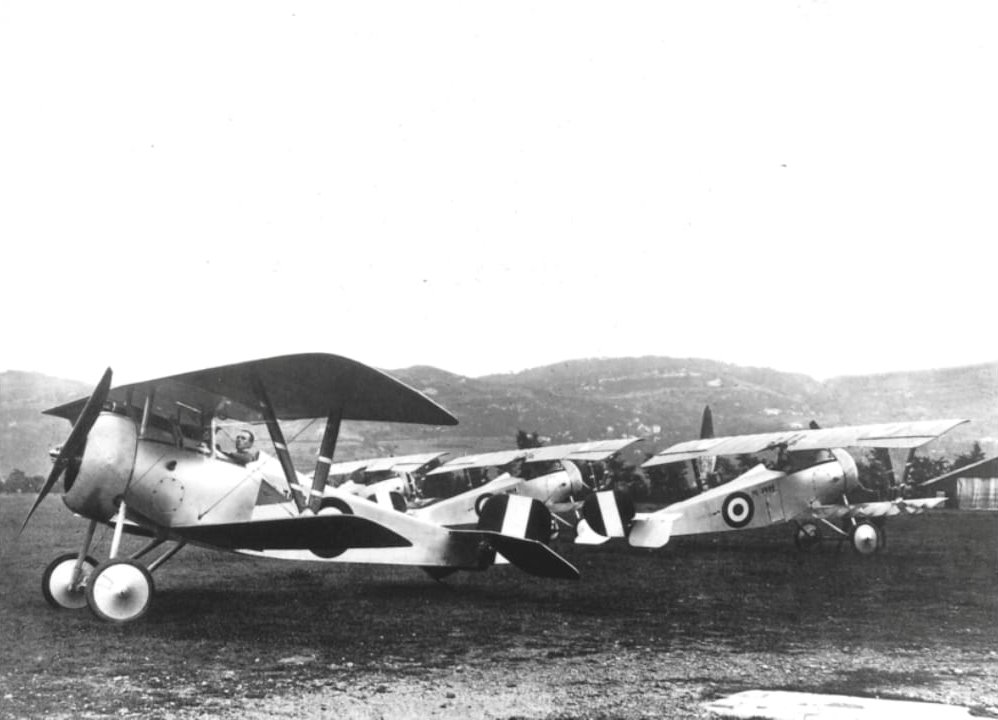
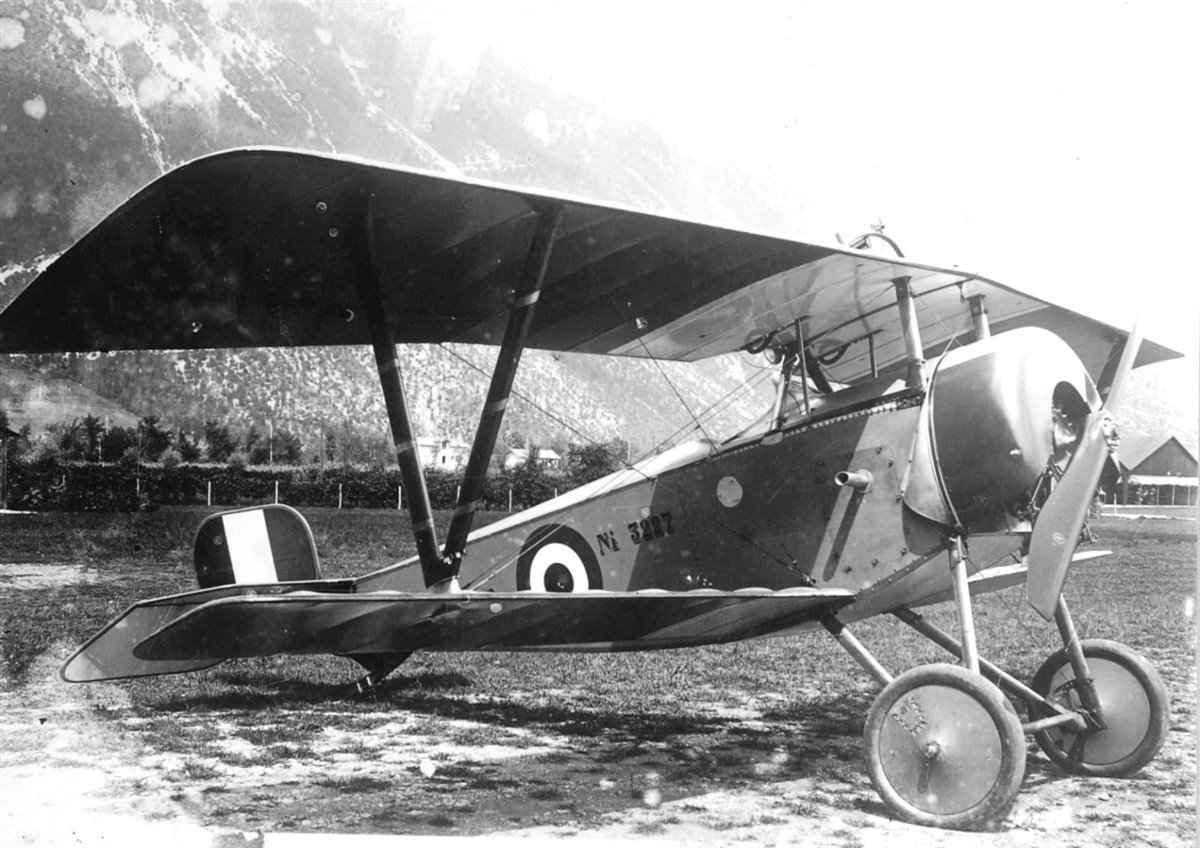
Belluno aerodrome in 1916-1917: Nieuport fighters on the field.
Many air combats were fought in the skies above Belluno. One of the most emblematic took place on 1 September 1917, when a Nieuport Bébé that had run out of ammunition threw itself against an enemy aircraft in a last attempt to stop it. At the controls was the young Sergeant pilot Arturo Dell’Oro, who did not hesitate to give his life in defence of his country. An act of extraordinary courage that remains a symbol of dedication and valour, and after which the aerodrome is named today.
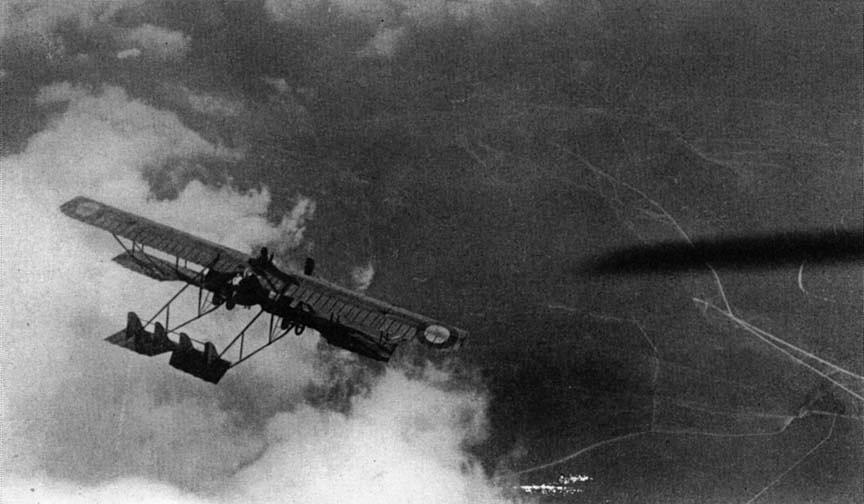
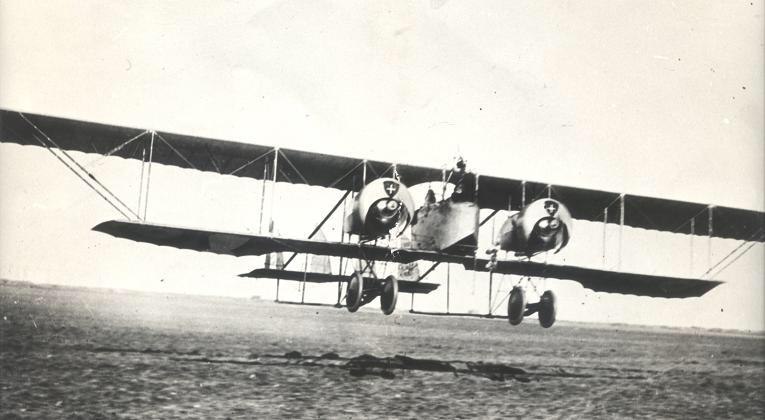
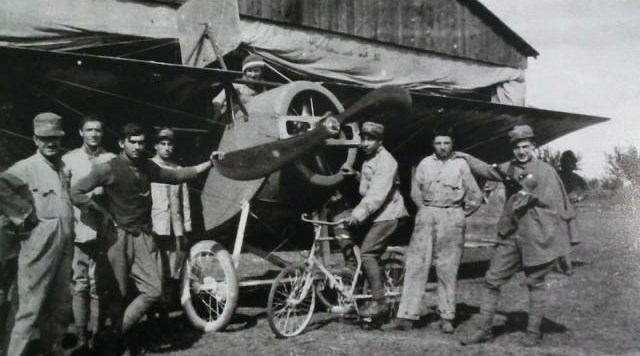
Aeroplanes that operated in the Belluno area during the First World War.
After the war the airfield remained a point of reference for aviation enthusiasts and for all those who saw in flying not just a profession or a means of transport, but a true passion.
It was in this setting that the Aero Club of Belluno was established in 1949 and joined the Aero Club d’Italia in 1951, continuing a tradition that would take deep root in the area.
In the 1960s, with the growth of regional air links, new prospects opened up for civil aviation too. Companies such as Aeralpi helped connect Belluno and Cortina d’Ampezzo with Milan, anticipating a different way of living distances and enhancing the aerodrome’s role as a link between the Dolomites and the rest of the country.
Today Belluno aerodrome plays a particularly important part in safety and rescue in the mountains: it is home to the Carabinieri Helicopter Unit and to the SUEM emergency medical helicopters.
Alongside these activities, the Aero Club of Belluno continues to preserve and develop the local aviation tradition through a lively community of pilots and enthusiasts and a flying school offering training for the PPL, LAPL, VDS (microlight) and glider licences. Its vocation for mountain flying training also makes it a club of particular interest on the national aviation scene.
A Short History
-
1932–1936
Aldo Tait starts a gliding school at Belluno airfield. It is that school which allows his sister Elena to become one of the first women in Italy to earn a flying certificate.
-
18 September 1948
The first recorded meeting between air force officers and pilots, with the aim of founding an aviation association in the province.
-
29 January 1949
At the offices of the Automobile Club, the founding of Aero Club “Arturo Dell'Oro” is resolved, named — like the town's airfield — after the First World War pilot awarded the Gold Medal for Military Valour. The process of affiliation to the Aero Club d'Italia begins at once. The activities are powered flying and parachuting.
-
17 May 1951
The first official general meeting is held, confirming membership of the Aero Club d'Italia.
-
The 1950s
Both the powered flying and the parachuting schools are active, with many licences and certificates obtained. A number of speed and precision competitions are also held.
-
2 September 1959
The club is granted legal personality by decree of the President of the Republic.
-
October 1963
The airfield becomes the logistical base for relief operations in the areas devastated by the Vajont disaster, and remains so in the months that follow.
-
November 1966
Flooding hits the Cordevole valley particularly hard. Once again the airfield proves essential to the rescue effort.
-
1968
The Air Force provisionally hands over part of the airfield to civil aviation. From then on the club takes on the role, assigned by the Airport Authority, of custodian and delegated operator of the civil airfield.
-
Early 1970s
The parachuting group reaches a remarkable standard, its team reaching the finals of the Italian championship.
-
Late 1970s
The economic crisis forces the powered flying school to suspend its activity.
-
Mid 1980s
After a troubled period with several changes of president, the powered flying school is restored — and has run without interruption ever since.
-
1990
The runway and its buildings pass definitively from military to civil ownership. The same year sees the first running of the accuracy landing parachuting competition that will become the club's main annual sporting event, still known today as the “Europa Cup”.
-
November 1991
The board resolves to create the gliding section.
-
July 1993
The club buys its first glider, a Bergfalke IV: gliding begins, with a tug aircraft hired from outside.
-
1995
The Aero Club d'Italia assigns a tug aircraft to Belluno. The gliding school is activated in the same year.
-
1996
The maintenance workshop reopens after four years of closure.
-
1997
The ministry issues the regulations for the mountain flying school, at the time the only one in Italy.
-
1999
Aero Club Belluno takes up the baton from the National Mountain Flying School of Trento, which had closed a few years earlier, and becomes the only school in Italy where the mountain flying rating can be obtained.
-
Early 2000s
A new discipline appears: microlight flying (Volo da Diporto Sportivo).
-
2001
Belluno hosts the Italian gliding championships.
-
2003–2004
The first microlight is bought and the fixed-wing microlight school is activated.
-
2005–2006
After some difficult years the parachuting group re-forms, creating an association affiliated to the club and returning the jump aircraft to service. The school starts training large numbers of jumpers again.
-
2006
The club presses local authorities to reorganise the airfield. The town council responds positively and takes forward a redevelopment project.
-
2009
The fleet numbers two four-seat aircraft for powered flying (Piper PA28 and Cessna 172); for gliding, one tug (Cessna 305) and four gliders, two two-seaters (Twin Astir and ASK 21) and two single-seaters (Mono Astir and ASW 19); for microlight flying, two two-seat Tecnam P92s; and for parachuting, a Cessna 182 jump aircraft.
-
2022
With 130 members, 3 specialties and a fleet of 14 aircraft, Aero Club Belluno reaches the highest number of hours flown in a single year since its foundation.
-
2023
After a three-and-a-half-year break, the Mountain Flying School (FCL.815) resumes its activity on a permanent basis.
The Presidents
| President | Term | |
|---|---|---|
| 15th | Luca Murer | since 27/03/2021 |
| 14th | Francesco Frezza | 28/02/2009 – 27/03/2021 |
| 13th | Domenico Chiesa | 20/06/1993 – 28/02/2009 |
| 12th | Maurizio Curti | 25/03/1990 – 20/06/1993 |
| 11th | Galliano D'Incà | 18/11/1984 – 25/03/1990 |
| 10th | Nello Bortot | 25/03/1984 – 03/11/1984 |
| 9th | Roberto Peterle | 04/07/1982 – 25/03/1984 |
| 8th | Giuseppe Callegaro | 24/01/1982 – 04/07/1982 |
| 7th | Luigi Toniato | 27/03/1977 – 24/01/1982 |
| 6th | Giovanni Bressan | 26/09/1976 – 27/03/1977 |
| 5th | Mario Paris | 27/09/1972 – 26/09/1976 |
| 4th | Giovanni Serravallo | 19/03/1970 – 27/09/1972 |
| 3rd | Arrigo Tessari | 27/02/1966 – 10/03/1970 |
| 2nd | Pietro Vecellio | 19/08/1964 – 27/02/1966 |
| 1st | Arrigo Tessari | 29/01/1949 – 17/05/1951 17/05/1951* – 19/08/1964 |
* On 17 May 1951 the first official general meeting was held, the one that confirmed membership of the Aero Club d'Italia: the term of office continues, it is the association that changes.